B2BCERT is one of the leading ISO Consulting services provider. We provide ISO Certification service with the help of Documentation, Audit, Implementation, gap Analysis, Internal auditor Training, Lead Implementer Training at affordable costings. We provide different ISO Standards like ISO 27001, ISO 9001, ISO 45001, ISO 13485, ISO 17025, ISO 14001, ISO 22000, etc… At a better cost. ISO certification is one of the most spoken and predominant names when it comes to certification. Many industries that have knowledge of corporate nose what ISO certification stands for also in the past decade ISO certification Let us quickly go through all the briefings which are required to understand what ISO certification is all about. There are few things that need to consider when we start to think about ISO certification .
Steps to get ISO Certification in Nigeria?
Step 1
Gap Analysis
Step 2
Awareness Training
Step 3
Document Support
Step 4
Internal Audit & MRM
Step 5
Final Audit
Finally
ISO Certified
Overview
What is ISO?
The International Organization for Standardization (ISO) is an independent, non-governmental international organization that develops and publishes standards to ensure the quality, safety, efficiency, and interoperability of products, services, and systems. ISO standards are developed through a consensus process involving a wide range of stakeholders, including industry experts, researchers, and government representatives from around the world.
Number of ISO Standards
As of now, ISO has published over 24,000 international standards covering almost all aspects of technology and business. These standards range across numerous fields, including quality management, environmental management, information security, food safety, and occupational health and safety.
How to Select the Appropriate ISO Standards for Your Company
Choosing the right ISO standards for your company involves understanding your industry, business processes, and objectives. Here’s a step-by-step guide to help you select the most relevant ISO standards:
1. Identify Your Industry and Specific Needs
Determine which industry your company operates in and identify the specific needs and challenges of your business. Example: Manufacturing, Information Technology, Healthcare, etc.
2. Understand Core Business Processes
Map out your core business processes and pinpoint areas where standards could improve efficiency, quality, safety, or compliance. Example: Production processes, supply chain management, data security, etc.
3. Research Relevant ISO Standards
Start with widely recognized and broadly applicable standards such as:mISO 9001 for Quality Management Systems (QMS) ISO 14001 for Environmental Management Systems (EMS) ISO 45001 for Occupational Health and Safety Management Systems (OHSMS) ISO/IEC 27001 for Information Security Management Systems (ISMS) Explore specialized standards specific to your industry or business activities. Example: ISO 22000 for Food Safety Management Systems for the food industry, ISO 13485 for Quality Management Systems in medical devices.
4. Consult with Industry Experts or ISO Consultants
Engage with industry experts or ISO consultants to gain insights into which standards are most beneficial for your company. They can provide tailored advice based on your business needs and industry best practices.
5. Evaluate Standards Compatibility
Ensure the standards you choose are compatible with each other and can be integrated into a cohesive management system. Many ISO standards are designed to be integrated. Example: Integrating ISO 9001 (quality) with ISO 14001 (environment) and ISO 45001 (health and safety) into a unified management system.
6. Consider Future Growth and Market Requirements
Think about your company’s future growth plans and market requirements. Some markets or customers may require certain ISO certifications. Example: Export markets might require ISO 9001 certification as a baseline for quality assurance.
ISO 9001 Certification
ISO 9001 is the international standard for Quality Management Systems (QMS), focusing on ensuring consistent product and service quality, enhancing customer satisfaction, and continuously improving processes.
ISO 14001 Certification
ISO 14001 is the international standard for Environmental Management Systems (EMS), helping organizations identify, manage, monitor, and control their environmental aspects and impacts to reduce their environmental footprint.
ISO 45001 Certification
ISO 45001 is the international standard for Occupational Health and Safety Management Systems (OHSMS), providing a framework for organizations to proactively improve workplace safety, prevent work-related injuries and illnesses, and comply with legal requirements.
ISO 22000 Certification
ISO 22000 is the international standard for Food Safety Management Systems (FSMS), ensuring the safety of food products by identifying and controlling food safety hazards throughout the food supply chain.
ISO 27001 Certification
ISO 27001 is the international standard for Information Security Management Systems (ISMS), helping organizations protect sensitive information assets from security breaches, unauthorized access, and cyber threats.
ISO 13485 Certification
ISO 13485 is the international standard for Quality Management Systems for Medical Devices, ensuring compliance with regulatory requirements and maintaining the highest standards of quality and safety in the design, development, production, and distribution of medical devices.
ISO 17025 Certification
ISO 17025 is the international standard for Testing and Calibration Laboratories, ensuring the competence, impartiality, and consistency of laboratories in producing reliable test and calibration results.
ISO 27701 Certification
ISO 27701 is an extension to ISO 27001, focusing on Privacy Information Management Systems (PIMS), helping organizations protect individuals' privacy rights by implementing appropriate controls for the processing of personal data.
ISO 20000-1 Certification
ISO 20000-1 is the international standard for IT Service Management (ITSM), enabling organizations to deliver high-quality IT services by aligning service delivery with business objectives and continuously improving service quality.
ISO 27032 Certification
ISO 27032 provides guidelines for Cybersecurity, addressing the challenges and risks associated with cyberspace and helping organizations develop effective strategies to protect against cyber threats.
ISO 22483 Certification
ISO 22483 specifies requirements for Dental Practices, ensuring quality management in dental clinics and promoting patient safety and satisfaction.
ISO 26000 Certification
ISO 26000 provides guidance on Social Responsibility, helping organizations integrate social, environmental, ethical, and economic considerations into their operations and interactions with stakeholders.
ISO 22301 Certification
ISO 22301 is the international standard for Business Continuity Management Systems (BCMS), ensuring organizations can continue operating during and after disruptive incidents by implementing effective business continuity plans and processes.
ISO 42001 Certification
ISO 42001 is the international standard for Energy Management Systems (EnMS), enabling organizations to improve energy efficiency, reduce energy consumption, and minimize their environmental impact.
ISO 27017 Certification
ISO 27017 provides guidelines for Cloud Security, helping organizations address security risks associated with cloud computing and ensure the confidentiality, integrity, and availability of information stored in the cloud.
ISO 27018 Certification
ISO 27018 focuses on protecting Personally Identifiable Information (PII) in the cloud, providing guidelines for cloud service providers to ensure the privacy and security of personal data.
ISO 50001 Certification
ISO 50001 is the international standard for Energy Management Systems (EnMS), enabling organizations to establish, implement, maintain, and improve energy performance, reduce energy costs, and enhance sustainability.
ISO 27014 Certification
ISO 27014 provides guidance on Information Security Governance, helping organizations develop and implement effective strategies, policies, and controls to manage information security risks.
ISO 29990 Certification
ISO 29990 is the international standard for Learning Services for Non-formal Education and Training, ensuring the quality and effectiveness of education and training services provided by organizations.
ISO 37001 Certification
ISO 37001 is the international standard for Anti-Bribery Management Systems (ABMS), helping organizations prevent, detect, and address bribery and corruption risks.
ISO 41001 Certification
ISO 41001 is the international standard for Facility Management Systems (FMS), enabling organizations to effectively manage and optimize the operation of their facilities and support services.
ISO 21001 Certification
ISO 21001 is the international standard for Educational Organizations Management Systems (EOMS), ensuring the quality and effectiveness of educational services provided by educational organizations.
ISO 55001 Certification
ISO 55001 is the international standard for Asset Management Systems (AMS), enabling organizations to manage the lifecycle of assets more effectively, reduce costs, and improve return on investment.
ISO 28000 Certification
ISO 28000 is the international standard for Supply Chain Security Management Systems (SCSMS), enabling organizations to identify and mitigate security risks throughout the supply chain.
ISO 22716 Certification
ISO 22716 is the international standard for Cosmetics Good Manufacturing Practices (GMP), ensuring the safety, quality, and consistency of cosmetic products.
ISO 15189 Certification
ISO 15189 is the international standard for Medical Laboratories, ensuring the quality and competence of medical testing laboratories and promoting patient safety.
FSSC 22000 Certification
FSSC 22000 is a Food Safety Management System Certification Scheme, incorporating ISO 22000 and additional requirements specific to the food industry to ensure food safety.
OHSAS 18001 Certification
OHSAS 18001 is the Occupational Health and Safety Assessment Series, providing a framework for occupational health and safety management systems and certification.
HACCP Certification
Hazard Analysis and Critical Control Points (HACCP) certification ensures food safety by identifying and controlling hazards throughout the food production process.
SA 8000 Certification
SA 8000 is a social accountability standard, ensuring ethical working conditions and fair treatment of workers.
GMP Certification
Good Manufacturing Practice (GMP) certification ensures that products are consistently produced and controlled according to quality standards.
GDPR Certification
GDPR certification ensures compliance with the General Data Protection Regulation (GDPR), protecting the privacy and rights of individuals' personal data.
GDP Certification
Good Distribution Practice (GDP) certification ensures the quality and integrity of pharmaceutical products throughout the distribution process.
GLP Certification
Good Laboratory Practice (GLP) certification ensures the quality, integrity, and reliability of non-clinical laboratory studies.
HIPAA Certification
HIPAA certification ensures compliance with the Health Insurance Portability and Accountability Act (HIPAA), protecting the security and privacy of health information.
PCI DSS Certification
Payment Card Industry Data Security Standard (PCI DSS) certification ensures secure handling of payment card information to prevent data breaches and fraud.
SOC 1 Certification
SOC 1 certification verifies that an organization's internal controls are adequate for financial reporting.
SOC 2 Certification
SOC 2 certification verifies that an organization's systems are secure and reliable, focusing on security, availability, processing integrity, confidentiality, and privacy.
VAPT Certification
Vulnerability Assessment and Penetration Testing (VAPT) certification identifies and addresses vulnerabilities in an organization's IT systems to protect against cyber threats.
CE Certification
CE marking indicates compliance with European Union (EU) regulations for product safety, health, and environmental protection.
ROHS Certification
ROHS certification ensures compliance with restrictions on the use of hazardous substances in electrical and electronic equipment.
BIFMA Certification
BIFMA certification ensures the safety, durability, and performance of furniture products.
FCC Certification
FCC certification ensures compliance with Federal Communications Commission (FCC) regulations for electromagnetic compatibility and radio frequency emissions.
HALAL Certification
HALAL certification ensures compliance with Islamic dietary laws and the permissible consumption of food and beverages.
KOSHER Certification
KOSHER certification ensures compliance with Jewish dietary laws and the permissible consumption of food and beverages.
NEMA Certification
NEMA certification ensures product safety and performance in electrical equipment.
REACH Certification
REACH certification ensures compliance with the European Union's Regulation on Registration, Evaluation, Authorization, and Restriction of Chemicals (REACH), governing the use of chemicals in products.
Certificate of Conformity
A Certificate of Conformity (COC) confirms that a product meets specified standards and regulatory requirements.
GHP Certification
Good Hygiene Practices (GHP) certification ensures compliance with hygiene standards in food production and handling.
Free Sale Certification
Free Sale Certification confirms that a product meets regulatory requirements for sale in a particular market, indicating its safety and quality.
FDA Certification
FDA certification ensures compliance with regulations set by the Food and Drug Administration (FDA) for food, drugs, cosmetics, and medical devices.
GACP Certification
Good Agricultural and Collection Practices (GACP) certification ensures quality and safety in the cultivation and collection of medicinal plants, herbs, and botanicals.
Our Services
How will ISO Certifications help business or industries in Nigeria?
ISO certifications can significantly benefit businesses and industries in various ways, enhancing their operational efficiency, credibility, and market competitiveness. Here are some key advantages:
Improved Quality and Consistency
ISO standards, such as ISO 9001 for quality management, ensure that businesses follow a consistent process in producing goods and services. This leads to improved product quality and consistency, reducing defects and enhancing customer satisfaction.
Enhanced Credibility and Reputation
Achieving ISO certification demonstrates a commitment to international standards and best practices, boosting the business's credibility with customers, suppliers, and other stakeholders. It shows that the company meets globally recognized benchmarks.
Increased Customer Satisfaction
By adhering to ISO standards, businesses can better meet customer expectations. Consistent quality and continuous improvement help in delivering products and services that satisfy customers, leading to higher customer loyalty and repeat business.
Operational Efficiency and Cost Savings
ISO standards encourage businesses to streamline their processes, reduce waste, and optimize resource use. This can lead to significant cost savings, higher efficiency, and increased profitability.
Market Access and Competitive Advantage
Many industries require or prefer suppliers with ISO certifications. Holding such certifications can open up new markets and business opportunities, giving companies a competitive edge in tenders and contracts.
Regulatory Compliance
ISO standards often align with regulatory requirements. By adhering to these standards, businesses can ensure compliance with relevant laws and regulations, avoiding legal issues and potential fines.
Risk Management
Standards like ISO 31000 for risk management provide frameworks for identifying, assessing, and mitigating risks. This helps businesses in managing potential threats and improving overall resilience.
Employee Engagement and Satisfaction
Implementing ISO standards involves staff at all levels, leading to better engagement and understanding of their roles. This can improve job satisfaction and foster a culture of continuous improvement.
Better Supplier Relationships
ISO certification can streamline supply chain management by ensuring that suppliers meet similar quality and performance standards. This enhances overall supply chain reliability and efficiency.
International Recognition
ISO is recognized globally, and certification can facilitate international trade by assuring foreign customers and partners of the business's adherence to high standards.
Service Providing Sectors in Nigeria
- MSME
- BPO
- IT Companies
- Agriculture
- Laboratory
- Manufacturing / Fabrication
- Construction / Architecture
- Security Guard Agencies
- Interior Design Companies
- Chemical Companies
- Pharmaceuticals
- Recycling Organizations
- Hazardous Waste Handling
- Banks / Financial Institutes
- Import & Export Businesses
- Mining, Petroleum, Oil & Gas
- Railways
- E-Commerce
- Hospitals
- Staffing / HR Solutions
- Trading Companies
- Travelling, Cargo
- Shipment & Supply Chain
- Automotive (Service & Manufacturing)
- Power & Energy
- Software/App/Website Development
- Food Manufacturers
- Organic Products
- Gyms & Sports Center
- Skin, Dental & Eye Clinics
- Fitness & Slimming Clinics
- Medical Appliances
- Small Businesses
- Aerospace
- Textile & Apparel
- Telecommunication
- Rubber/Plastic Manufacturer
- Restaurants / Caterers / Hotels
- Facility Management
- Service Providers
- Printing Companies
- Event Management
- Public Administrations
- Govt. Offices
- Schools or Educational Institutes
- Colleges or Educational Institutes
- Training Institutes (Non-Formal)
- Spas & Salons
- Biotechnology
- FMCG
- Entertainment Sector
- News & Media
- Electronics Industry
- Advertising Industry
- Retail Sector
- Space Industry
- Robotics
- Science & technology
- Real Estate
- Defence Manufacturing
- Consulting Agencies
- Hospitality
- Consumer Durables
- Insurance Agencies
- Renewable Energy
Get Free Consultations! We’re Ready to Work Together
Service Sectors
Sectors We Provide Services

Information Security

Manufacturing

Software Companies

Pharmaceuticals

Construction / Architecture
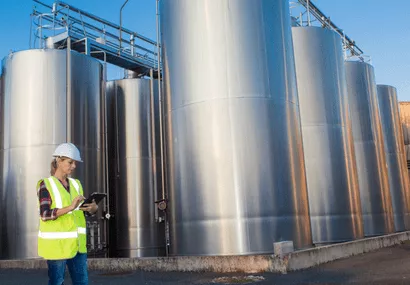
Food & Beverages

News & media

Science & Biotechnology

Electronics Industry

Telecommunications

Hospitals

Import & Export Businesses

Schools & Colleges

Textile Industries

Banks

Aerospace Manufacturing

Hotels & Restaurants

Oraginc Products

Mining & Renewable Business

Real Estate Business
Information Security
Our Trusted Clients

We achieved ISO 26000 certification with B2BCERT's assistance, and it has transformed our approach to corporate social responsibility. Their expertise in implementing socially responsible practices has positively impacted our stakeholders and strengthened our reputation.

85%
67%
Financial Investment
We achieved ISO 26000 certification with B2BCERT's assistance, and it has transformed our approach to corporate social responsibility. Their expertise in implementing socially responsible practices has positively impacted our stakeholders and strengthened our reputation.